When you buy something through one of the links on our site, we may earn an affiliate commission.
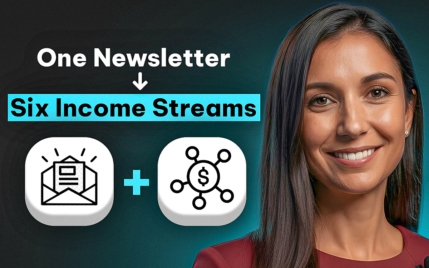
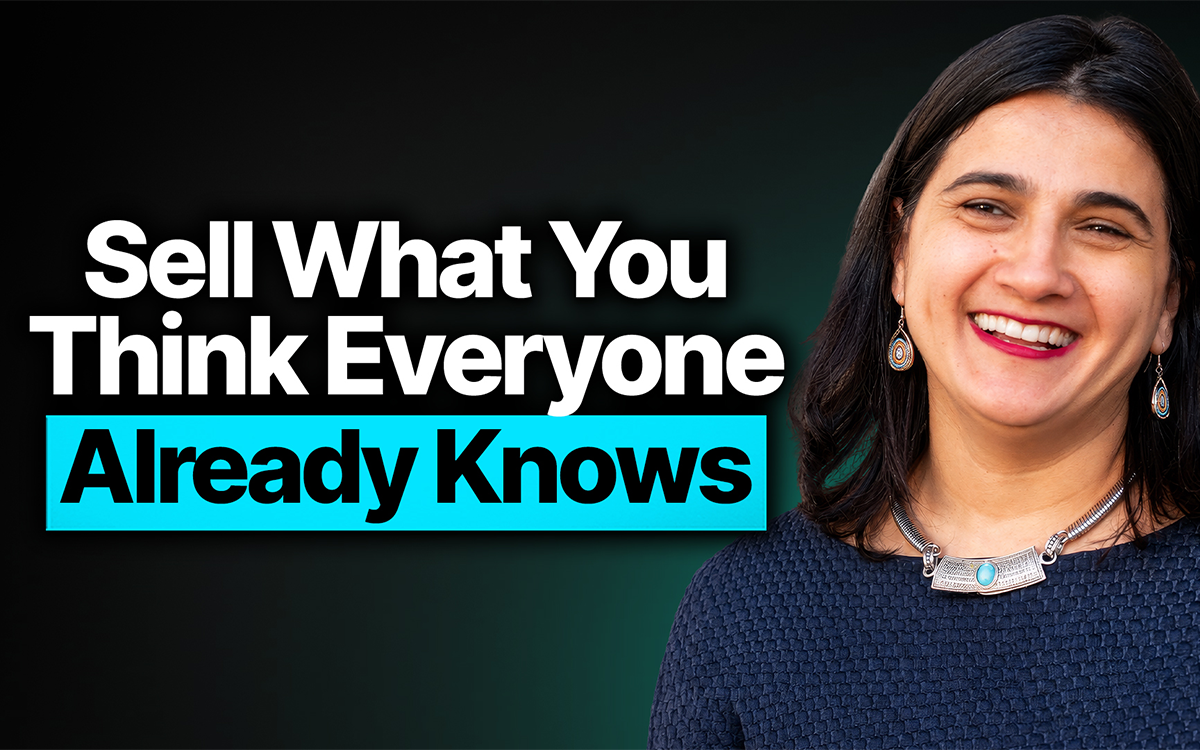
In this week’s episode of the Niche Pursuits podcast, Natasha Tynes and I discuss how she uses multiple online channels to generate leads and turn some of those leads into clients. Natasha brings about 25 years of journalism and writing experience to the media business she runs today.
Rather than depending on a single source of attention, she publishes in several places. Each channel gives potential clients a different way to discover her expertise and stay connected. She explains how Substack builds an email audience, LinkedIn reaches professionals, YouTube expands discovery, and paid community creates deeper interaction.
Watch the Full Episode
Using Substack to Grow an Email Audience
Substack is an important part of Natasha’s lead-generation system because it gives her a direct connection with subscribers. During the interview, we discussed her publishing cadence and why she maintains both free and paid options instead of putting everything behind a subscription.
Natasha’s email list is now around 3,000 subscribers, built organically through Substack, YouTube, and LinkedIn without paid acquisition. She describes that list as the engine feeding her coaching and ghostwriting pipeline, which makes email more than just another publishing channel in her business.
- Around 3,000 email subscribers
- Grown organically without paid acquisition
- Audience growth comes from Substack, YouTube, and LinkedIn
- The list feeds coaching and ghostwriting opportunities
The free side gives new followers a low-commitment way to enter her world. The paid side serves people who want more access to her work.
- Natasha operates two Substack tiers, including free and paid
- Email keeps her connected outside social feeds
- Subscribers can remain in her audience long before becoming clients
- Different tiers serve people at different levels of interest
Turning Newsletter Attention Into Leads
Natasha doesn't treat the newsletter only as a product that needs to generate subscription revenue. It can also introduce potential clients to the type of work she does and give them repeated exposure to her ideas.
That repeated contact matters for a service business. Someone may follow Natasha’s newsletter for weeks or months before reaching the point where they want help with writing, publishing, or media work.
- A free subscriber can later become a paid subscriber
- A subscriber can also move directly toward a service
- Every person doesn't need to follow the same funnel
- Email gives Natasha repeated opportunities to remain visible
Using Free and Paid Content for Different Purposes
The free-versus-paid decision was an important part of our Substack conversation. Natasha has reasons for keeping both because each serves a separate part of her audience rather than forcing everyone toward the same offer.
Free content helps expand the pool of people familiar with Natasha’s work. Paid content gives more committed followers another level of access without requiring them to purchase a larger professional service.
- Free content reduces the barrier to subscribing
- Paid content introduces recurring revenue
- Both groups remain connected through email
- Service clients can emerge from either side
Reaching Professional Leads Through LinkedIn
From Substack, our conversation moved to LinkedIn, where Natasha has found particular success. The platform puts her content in front of professionals who may already have a reason to hire someone with her writing, journalism, and media background.
LinkedIn also shortens the distance between publishing and conversation. Someone can see Natasha’s post, visit her profile, interact with her, and contact her without leaving the platform.
- Posts can demonstrate expertise quickly.
- Comments create direct conversations.
- Profile visits can introduce Natasha’s wider work
- Direct messages can turn attention into a lead
Treating LinkedIn Differently From Substack
LinkedIn and Substack may both distribute written content, yet they perform different jobs for Natasha. Substack gives her more space and a direct email relationship, while LinkedIn puts her in front of people in a professional context.
That difference helps explain why she continues using both. LinkedIn can provide discovery and business conversations, while Substack can maintain the relationship after someone becomes interested.
- LinkedIn favors shorter professional content.
- Substack supports deeper written communication.
- One channel can introduce Natasha.
- Another can continue the relationship over time.
Building Familiarity Through Consistent Publishing
One advantage of Natasha’s approach is the number of opportunities a prospective client has to encounter her work. A person doesn't need to make a buying decision after seeing one post or receiving one email.
Instead, content can build familiarity across several interactions. The more often someone encounters Natasha’s thinking, the easier it becomes to evaluate whether her experience is relevant to their needs.
- A LinkedIn post can create the first interaction
- A newsletter can provide continued exposure
- A website visit can introduce her services
- Direct contact can come much later in the process
Adding YouTube as Another Discovery Channel
Natasha also uses YouTube as part of her wider publishing strategy. Video creates a different kind of connection because potential clients can hear how she communicates and spend more time with her ideas.
YouTube doesn't need to produce clients independently to contribute to the system. Someone might discover Natasha there and later find her newsletter, LinkedIn profile, website, or another piece of content.
- Video gives Natasha another content format.
- YouTube can reach people outside her email audience.
- Videos can reinforce topics shared elsewhere.
- Discovery can lead people toward other channels.
Connecting Multiple Channels Instead of Isolating Them
Natasha’s strategy becomes more interesting when the channels are viewed together rather than separately. A lead may encounter several pieces of her content across several platforms before reaching out.
This also makes attribution less straightforward. The final inquiry might come through LinkedIn even though a newsletter or YouTube video played an earlier role in building trust. A typical path could include:
- Discovering Natasha through social content
- Following her on LinkedIn
- Joining her Substack
- Reading her work over time
- Visiting her service pages
- Reaching out about working together
Turning Content Into Service Opportunities
Natasha ultimately runs a service business, so attention needs a path toward paid work. Her roughly 25 years of journalism and writing experience give her a large body of expertise that can be demonstrated through the content she publishes.
Natasha’s client work can also reach high-ticket levels rather than being priced as hourly freelance work. Prospective clients can therefore evaluate part of what Natasha offers before they contact her. Her posts, newsletters, videos, and other material act as ongoing examples of her communication skills and perspective. Her services include work related to:
- Writing
- Ghostwriting
- Publishing
- Content
- Media
- Professional guidance
Letting Leads Enter From Different Directions
One notable feature of Natasha’s system is that there's no single required path to becoming a client. Someone could find her through LinkedIn and contact her quickly, while another person might remain a newsletter subscriber for months.
That gives Natasha several ways to generate opportunities. It also means she isn't dependent on every platform producing immediate conversions.
- Social followers can become email subscribers.
- Email subscribers can become service leads.
- Video viewers can move to LinkedIn.
- Professional contacts can become clients directly.
Adding a Paid Community to the Funnel
Natasha discussed another part of her strategy: a paid community she is preparing to build. The community creates a level of participation that sits somewhere between consuming free content and hiring Natasha for individual services.
It also gives committed followers another reason to remain within her ecosystem. Instead of only receiving content, members can have a more involved relationship around the subjects Natasha covers.
The community can potentially add:
- Recurring membership revenue
- More direct interaction
- A closer relationship with followers
- Another step between free content and services
Creating Several Levels of Commitment
Taken together, Natasha’s channels create several levels of commitment. Someone can begin with a free post, move to a newsletter, participate more deeply, and eventually inquire about a service.
Not every follower needs to reach the final stage for the system to work. Each stage can serve a different group and create its own value. The funnel roughly moves from:
- Free public content
- Free newsletter participation
- Paid newsletter or community access
- Professional service inquiries
- Ongoing client relationships
Deciding Whether Every Platform Is Necessary
Using several channels raises an obvious question for anyone creating content: do you need to be everywhere? Natasha’s experience suggests that multiple platforms can work together, although they don't need to receive equal attention.
The better approach is to consider what each channel contributes. A platform that produces professional conversations may deserve more attention than one that generates views without meaningful leads.
Questions worth considering include:
- Where do potential clients already spend time?
- Which channel creates the most conversations?
- Where can your expertise be demonstrated clearly?
- Which audience is closest to purchasing your service?
Choosing LinkedIn Above Every Other Channel
Despite using Substack, YouTube, and several other online channels, Natasha chose LinkedIn as the marketing channel she would keep if she could only pick one.
That response says a lot about how she evaluates platforms. LinkedIn places her near professionals who may have a direct need for the services she sells. For Natasha, LinkedIn combines:
- Content publishing
- Professional networking
- Direct messaging
- Audience interaction
- Lead generation
Prioritizing the Audience Closest to Revenue
Natasha’s answer also highlights why audience size shouldn't be the only measure of a platform’s value. A smaller audience containing the right potential clients may contribute more to a business than a much larger group with little buying intent.
That is particularly relevant for a service provider. One high-value client relationship can matter more than thousands of passive views that never turn into a conversation. The most useful channel may be the one that provides:
- Relevant professional contacts
- Repeat exposure
- Easy communication
- Clear buyer intent
- A short path from content to conversation
Final Thoughts
Natasha’s roughly 25-year career in journalism now supports a business that generates leads through several online channels. Substack, LinkedIn, YouTube, and her developing paid community each play a separate role in bringing people closer to her work.
The takeaway isn't that every entrepreneur needs every platform. Natasha uses multiple channels, yet if she had to choose only one, she would keep LinkedIn. That choice reflects where her prospective clients are most accessible. Use each channel for a defined purpose, connect content to a clear next step, and prioritize platforms closest to potential clients.
Links & Resources
- Learn more about Natasha's writing work.





Want to learn step-by-step how I built my Niche Site Empire up to a full-time income?
Yes! I Love to Learn
Learn How I Built My Niche Site Empire to a Full-time Income
- How to Pick the Right Keywords at the START, and avoid the losers
- How to Scale and Outsource 90% of the Work, Allowing Your Empire to GROW Without You
- How to Build a Site That Gets REAL TRAFFIC FROM GOOGLE (every. single. day.)
- Subscribe to the Niche Pursuits Newsletter delivered with value 3X per week
My top recommendations