When you buy something through one of the links on our site, we may earn an affiliate commission.
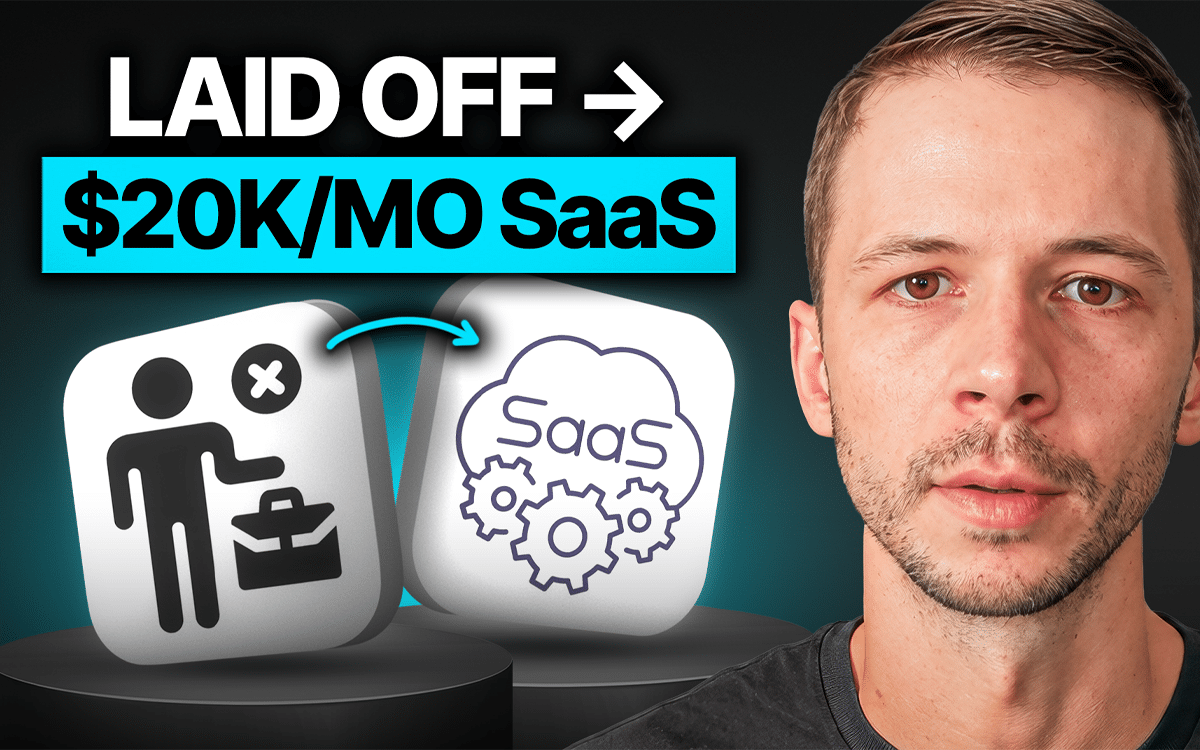
In this week’s episode of the Niche Pursuits podcast, Ben Bozzay and I discuss how Tech Lockdown grew from a personal problem into a SaaS business generating $20K in monthly recurring revenue. What makes Ben’s story so interesting is how many times the business changed shape.
It started as free content, became paid content, turned into a membership, added a DNS filtering product, and then grew into a more complete software business. That path wasn't planned from day one. Ben was trying to solve his own problem, sharing what he learned, and paying attention when people kept asking for more help.
Watch the Full Episode
Ben's Origin Story
Ben’s background sits at the intersection of software development, cybersecurity, and SEO. Before Tech Lockdown became a business, he had worked in engineering roles at cybersecurity companies. He had also run a marketing agency, which gave him experience with search traffic and online content. That mix turned out to be a major advantage.
During the COVID lockdowns in 2020, Ben noticed his own internet habits getting out of hand. Like a lot of people working from home, he was spending more time online than he wanted. He started looking for ways to create stronger guardrails around his internet use.
The problem was that Ben is technical. He knew how to bypass most consumer website blockers and app blockers. So instead of using basic tools, he began applying enterprise-style controls to his own devices. That meant using concepts like:
- Mobile device management
- DNS filtering
- Cybersecurity-style restrictions
- Managed device controls
- Harder-to-bypass blocking systems
These weren't the usual tools marketed to individuals. They were systems companies used to control work devices. That became the seed of Tech Lockdown.
The First Content Experiments
At first, Ben wasn't trying to build a company. He wrote posts on Medium, shared on Reddit, made YouTube videos, and explained what he was doing to create a healthier digital workspace. The response surprised him.
People weren't just reading. They were commenting, emailing, and asking for consulting help. That told him the problem was broader than his own situation. He had found a gap in the market:
- Adults wanted stronger device controls for themselves.
- Many tools focused on parents managing their children’s devices.
- Technical users needed deeper solutions.
- People wanted step-by-step help, not vague advice.
The early content was valuable because it came from direct experimentation. Ben was using test devices, trying systems himself, and documenting the process in detail. That made his work different from generic “best website blocker” articles.
The Shift Into Paid Content
By 2021, Ben had moved from posting on other platforms to publishing on Tech Lockdown. Google began picking up his content, which gave him a new source of traffic. Since he already had SEO experience, he started to see how this could become more than a hobby.
The first monetization step was a paid membership section. This wasn't software yet. It was more like productized consulting.
People paid for more complete guides that saved them hours of setup time. Instead of searching across scattered articles and forums, they could follow a more organized process. The paid content worked because the free content had already built trust.
Ben’s strategy was to give away highly useful information for free first. That helped build trust with people who were trying to solve the same problem. Once they saw the value of his free content, a paid resource felt like a natural next step because it could save them even more time.
The Move Toward SaaS
Paid content gave Ben early revenue, but it had limits. Most customers only needed the information long enough to set up their system. Once they had the guides and completed the process, there wasn't much reason to keep paying every month.
That pushed Ben toward SaaS. Around 2022, he began offering a DNS filtering service. At first, the product was simple. Customers could choose from a few presets, although they could not customize much.
Even that basic product changed the business. It gave customers something ongoing to use, not just something to read. It also made the membership more valuable by bundling content with a tool that helped solve the same problem. The progression looked like this:
- 2020: Free content on Medium, Reddit, and YouTube
- 2021: Tech Lockdown and paid membership content
- 2022: DNS filtering service added
- 2023: More mature product and full-time focus
- 2024 and 2025: Organic traffic reached its strongest period
That slow evolution is one of the biggest lessons from the interview. Ben didn't jump straight into building the perfect product. He followed the demand step by step.
Layoff Forced a Decision
In 2023, Ben was laid off after switching jobs. The company had overhired and cut 10% of its workforce. Suddenly, Tech Lockdown went from a side project to a serious option.
At that point, the business had roughly 300 customers. Profit was less than $2,000 per month. That wasn't enough to replace his salary. The timing was stressful for several reasons:
- Ben and his wife had recently bought their first home.
- His wife wasn't legally allowed to work at the time.
- They were planning to start a family.
In other words, the business was barely covering the new healthcare costs alone. Ben also received a good job offer during this period. Taking it would have been the safer financial choice.
His wife encouraged him to keep going with Tech Lockdown. She believed in the business even when the early full-time months showed little growth. That detail stands out because the transition wasn't instantly successful.
The first few months after going full-time were flat. Ben was working intense hours, yet revenue didn't immediately take off.
Content Strategy That Drove Growth
Ben’s main growth channel was SEO. He chose not to spread himself across every platform. Instead, he focused on the channel he knew best, writing detailed content that could rank in search.
His articles worked because they were technical, specific, and based on problems people were searching for. For example, someone might not simply search “block websites.” They might look for a way to prevent themselves from ending a blocking app in Task Manager on Windows.
SEO tools might not show much search volume for that exact issue. Ben still wrote the article because he knew the problem existed. That approach helped him find traffic that other sites missed. His content had several traits:
- It answered highly specific questions.
- It used screenshots and video walkthroughs.
- It covered technical edge cases.
- It connected broad topics to specific guides.
- It relied on testing, not surface-level summaries.
At one point, Tech Lockdown reached around 70,000 organic visitors per month. That growth came during a period when many site owners were worried about Google updates and AI summaries. Ben said his site was fortunate, and he believes the depth of the content helped.
The Funnel Behind the SEO Strategy
Ben didn't only write narrow technical guides. He also created broader articles at the top of the funnel and linked them to more specific resources. For example, a broad guide about blocking websites could lead visitors to articles about:

- Blocking websites on Windows
- Restricting access on iPhone
- Preventing workarounds
- Using DNS filtering
- Setting up managed device controls
This created a content tree around the topic. It also helped Google see which pages mattered and how they related to each other. Descriptive internal links were effective because they clarified what each page covered.
The key was that the articles weren't random. They supported one another. Ben paired this with Reddit and YouTube in the early days. His process was thoughtful:
- Create a useful YouTube video.
- Write a separate Reddit post with its own value.
- Add a subtle reference to the video.
- Let Reddit engagement send early signals to YouTube.
He found that people still clicked through even when the Reddit post gave away a lot of information. That reinforced his belief in generous free content.
The Focus on Adults as the Core Market
One of the smartest decisions Ben made was narrowing the target customer. Many device control products focus on parents managing their kids’ devices. Ben saw a different audience: adults who wanted to restrict themselves.
That distinction matters. A parent can take away a child’s phone or set up a limited account. An adult has admin access, passwords, recovery options, and the ability to undo restrictions. That makes the problem harder. Ben focused on adults such as:
- Working professionals
- College students
- People building better habits
- Adults seeking accountability
- Technical users who knew common workarounds
This gave Tech Lockdown a sharper message. Instead of trying to serve everyone from the start, Ben built around a more specific use case. As he became a parent himself, the product began to expand toward family needs as well. Still, the foundation remained the same: stronger controls for people who need more than basic app blocking.
The Product Difference
Tech Lockdown stands out for its use of enterprise concepts to control personal devices. Rather than relying solely on consumer tools, Ben looked at what companies use when issuing work devices. Enterprise systems need to be harder to bypass because companies face security and financial risks.
That thinking shaped the product. For example, a managed iPhone can have a VPN that the user cannot turn off. App downloads can be restricted. Device settings can be controlled at a deeper level than most consumer apps allow.
That is the kind of control Ben wanted to bring to individuals. The setup is more advanced than typical household tools. Yet for people who have tried weaker blockers and bypassed them, that added depth is the point.
His Business Today
At the time of recording, Tech Lockdown had reached $20K in MRR. Ben called that a major milestone. It's still just him as the solo founder, with a contractor helping with customer support.
The product suite has continued to expand, especially around iPhone solutions. He also has a second product called LivingRoom, a separate app under a different brand.
LivingRoom is designed to make screen activity more visible in the home. The idea is that a device becomes more like a TV in the living room, where activity is easier for parents or accountability partners to see.
The app can show screenshots of activity and use AI to detect inappropriate content on screen. That creates a different type of safety layer from pure blocking.
Tech Lockdown is more about restriction. LivingRoom is more about visibility. Together, they serve related needs.
The AI Search Angle
SEO is still Ben’s main customer acquisition channel. He has seen more volatility as Google adds AI summaries to search results, yet organic content remains central to the business.
One insight he shared is the value of branded terminology. When AI summaries link people into follow-up search queries, branded keywords can matter. If someone searches a phrase that includes your brand or a term you own, you have a better chance of being the top result.
This means content isn't only about ranking for generic keywords. It's also about building recognizable language around your product and category. That matters even more as search behavior changes.
Lessons From Ben’s Path
Ben’s story offers many useful takeaways for niche site builders, SaaS founders, and side hustlers. The most important one may be that a business can start with documentation.
He didn't begin with a polished offer. He began by solving his own problem and writing about it. From there, each stage gave him more feedback. A few lessons stand out:
- Specific content can beat broad content.
- Free guides can create trust before a sale.
- Paid information can validate demand.
- SaaS can deliver recurring value once content establishes the need.
- A narrow audience can create clearer positioning.
- SEO can still work when the content is genuinely deep.
Another lesson is that growth doesn't always arrive on schedule. When Ben went full-time, the business didn't immediately surge. The decision came with financial pressure, family pressure, and career risk. The growth came later, after continued product improvements and content work.
Ben's Next Stage
Ben has several areas he is working on now. One of the biggest is a new iPhone management solution that doesn't require a hard reset. He described this as something he had been trying to figure out for years.
That matters because enrolling an iPhone in mobile device management has traditionally required resetting the device to gain full control. A no-reset solution could remove a major barrier for customers.
LivingRoom is another area for growth. Since it complements Tech Lockdown, customers may use both products for different parts of the same problem.
Ben is also considering hiring, though he is cautious. The business now has proprietary processes and technical insights that create added risk when bringing people in. For now, he's using AI tools and contractors to scale his own output where possible.
Final Thoughts
Ben Bozzay’s story is a great reminder that some of the best businesses start as personal problem-solving.
Tech Lockdown wasn't born from a grand business plan. It came from one person trying to create healthier internet habits, then sharing the process with others who needed the same thing. The business grew because Ben kept listening to demand.
Free content became paid content. Paid content became a product. The product became a SaaS. Now, it has grown into a $20K MRR business with a second app and more product development in the pipeline.
For anyone building online, Ben’s path shows the power of depth, focus, and patience. You don't need to serve every audience at once. You don't need to launch with the final product. You can start by solving a painful problem, documenting the process, and improving the offer as customers show you what they need next.
Links & Resources
- Learn more about Tech Lockdown
- Check out Ben's LivingRoomApp
Related Posts







Want to learn step-by-step how I built my Niche Site Empire up to a full-time income?
Yes! I Love to Learn
Learn How I Built My Niche Site Empire to a Full-time Income
- How to Pick the Right Keywords at the START, and avoid the losers
- How to Scale and Outsource 90% of the Work, Allowing Your Empire to GROW Without You
- How to Build a Site That Gets REAL TRAFFIC FROM GOOGLE (every. single. day.)
- Subscribe to the Niche Pursuits Newsletter delivered with value 3X per week
My top recommendations